
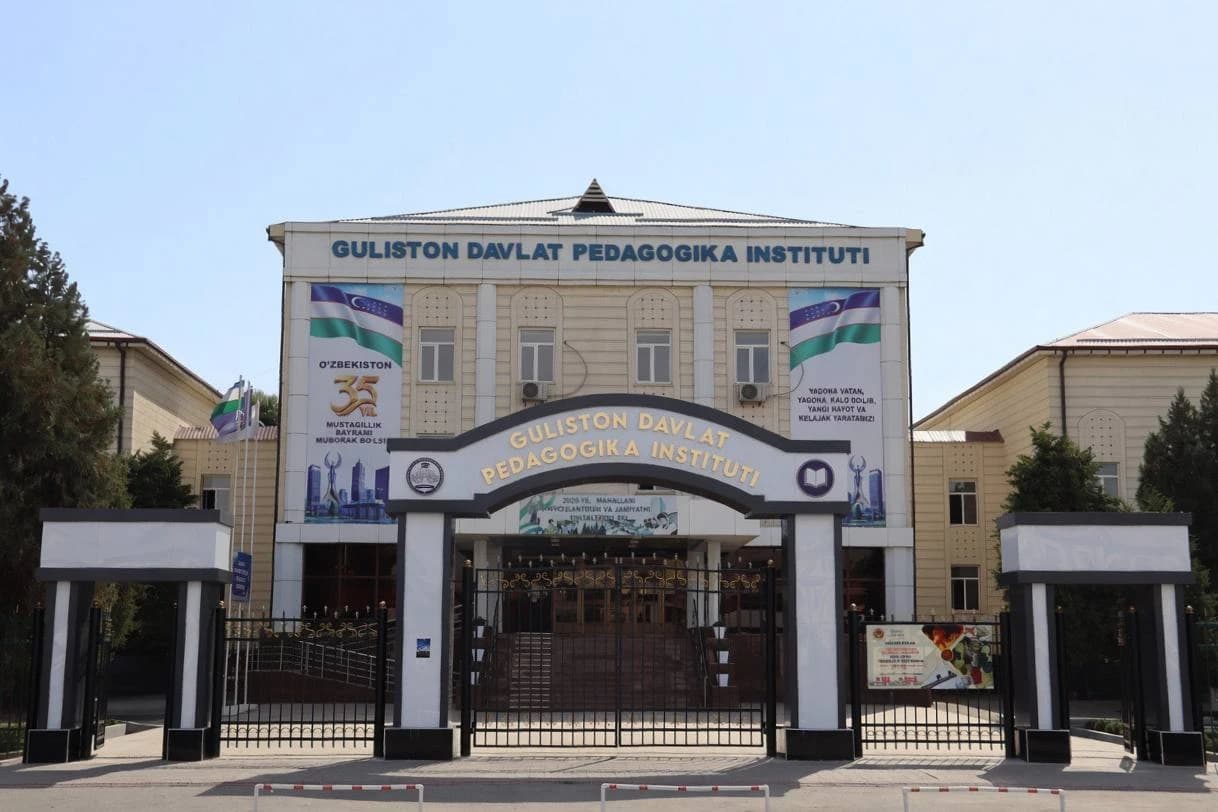
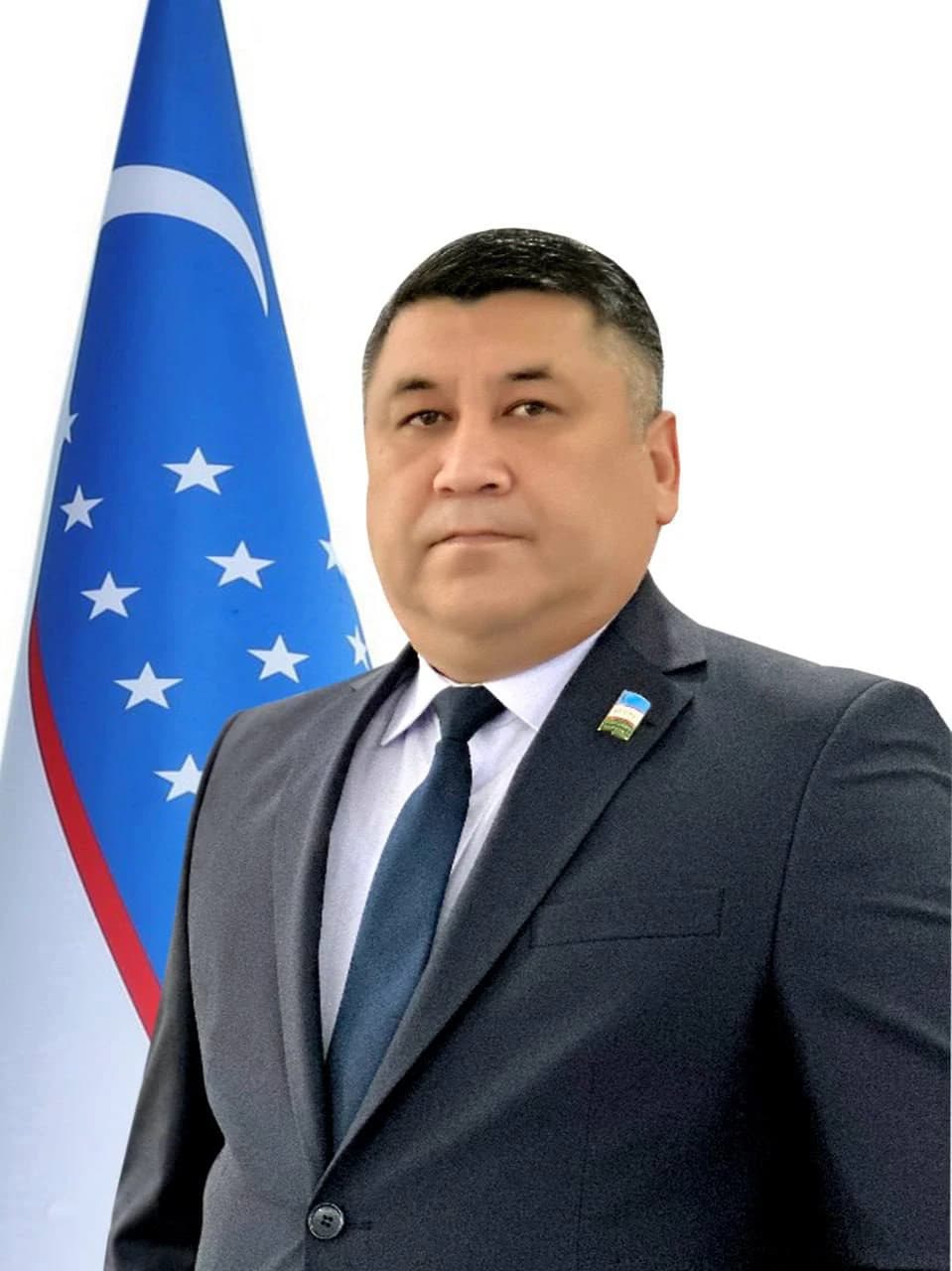
Karshibayev Jaxongir Xazratkulovich
Rector · Gulistan State Pedagogical Institute
Head
Karshibayev Jaxongir XazratkulovichRector
Rector of Gulistan State Pedagogical Institute, Doctor of Biological Sciences, Professor.
Responsibilities
1. Rector’s Objective
The main objective of the Rector of Gulistan State Pedagogical Institute is to ensure the strategic development of the Institute, improve the quality of education in accordance with international standards and modern requirements, train competitive teaching professionals, develop research and innovation activities, and improve the Institute’s material, technical, and digital infrastructure.
The Rector provides overall leadership of the Institute, ensures effective management, coordinates the activities of academic staff and employees, and makes strategic decisions aimed at improving the effectiveness of educational, scientific, and spiritual-enlightenment activities.
2. Main Responsibilities of the Rector
Strategic Management — Developing the Institute’s long-term development strategy, annual work plans, and priority areas, as well as monitoring their implementation.
Ensuring the Quality of Education — Organizing the educational process in accordance with current state educational standards, qualification requirements, and modern pedagogical approaches.
Developing Research Activities — Supporting research conducted by academic staff and young researchers, promoting scientific projects and innovative developments, and expanding international research cooperation.
Implementing Digital Transformation — Introducing digital technologies, artificial intelligence, e-learning platforms, and automated management systems into educational and administrative processes.
Implementing Human Resources Policy — Recruiting and allocating academic staff and employees, supporting their professional development, improving work efficiency, and fostering a positive working environment.
Managing Financial and Material Resources — Ensuring the effective and targeted use of the Institute’s budget, financial resources, material and technical facilities, and other available resources.
Developing International Cooperation — Establishing partnerships with foreign higher education institutions and research organizations, promoting academic mobility, and expanding joint educational programs.
Protecting Students’ Interests — Creating the necessary conditions for students to receive quality education, access social support, and develop their talents and abilities.
Coordinating Spiritual and Educational Activities — Organizing activities aimed at fostering patriotism, civic responsibility, and respect for national and universal human values among students.
Ensuring Legality and Transparency — Ensuring compliance with legal requirements, combating corruption, preventing conflicts of interest, and strengthening the principles of academic integrity.
Improving Educational Infrastructure — Developing academic buildings, laboratories, the Information and Resource Center, student dormitories, and information and communication infrastructure.
Strengthening External Partnerships and Public Relations — Establishing effective cooperation with government authorities, employers, educational institutions, and the public.
Ensuring Executive Discipline — Monitoring the implementation of instructions from higher authorities, regulatory legal acts, and the Institute’s internal documents.
Enhancing the Institute’s Competitiveness — Improving the quality of educational services, supporting graduate employment, and strengthening the Institute’s reputation at national and international levels.
3. Priority Areas of the Rector’s Activities
Improving the quality of education and training modern teaching professionals.
Developing science, innovation, and research capacity.
Introducing digital management systems and artificial intelligence technologies.
Ensuring financial sustainability and efficient resource utilization.
Strengthening human resource capacity and supporting the professional development of academic staff.
Combating corruption and enhancing transparency in management.
Expanding international cooperation and academic mobility.
Creating conditions for quality education and a supportive social environment for students.
4. Expected Outcomes
The effective implementation of the goals and responsibilities established by the Rector will improve the quality of education and management efficiency, promote research and innovation, expand the adoption of digital technologies, strengthen the material and technical infrastructure, and enhance the Institute’s capacity to train qualified teaching professionals who meet the requirements of the modern labor market.